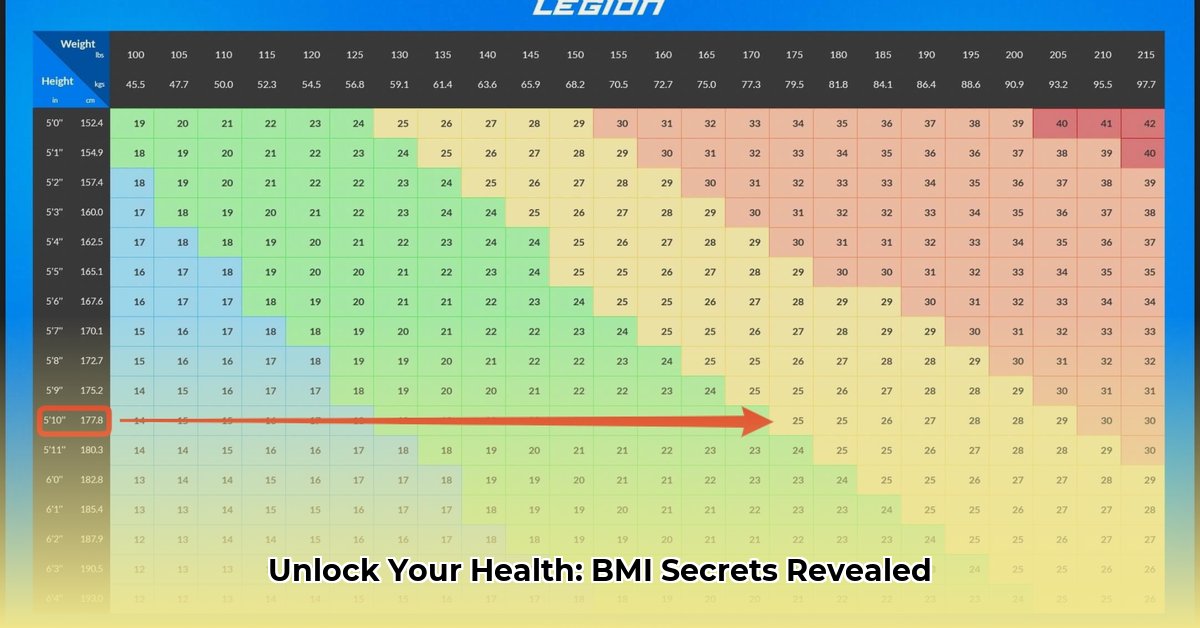
Body Mass Index (BMI) – that number often used to assess weight – provides a starting point, but it's not the entire story. For more on accurate obesity measurement, see this helpful resource: Obesity Measurement. This guide clarifies BMI's meaning, limitations, and how to use it (along with other information) to make informed health choices. We'll cover calculating your BMI, understanding your risk level, and provide practical strategies for weight management, going beyond the simple number to offer a more holistic view of your health.
What is BMI, and How is it Calculated?
BMI (Body Mass Index) is a number calculated by dividing your weight in kilograms by the square of your height in meters. Many online calculators simplify this process. The result estimates your body fat percentage. While useful for large-scale population studies, BMI isn't perfectly accurate for individuals. Consider it a general guideline, not a definitive diagnosis. For example, a highly muscular person might have a high BMI despite a low body fat percentage. Isn't it interesting how seemingly simple numbers can have complex meanings?
Understanding Your BMI: Interpreting the Numbers
BMI categories (underweight, healthy weight, overweight, obese) are associated with varying health risks. However, these are probabilities, not guarantees; many other factors influence your health. Are you curious to know your BMI range and the potential health implications?
| BMI Category | BMI Range (kg/m²) | General Health Implications |
|---|---|---|
| Underweight | <18.5 | Increased risk of weakened immune system, osteoporosis, and fertility problems. |
| Healthy Weight | 18.5-24.9 | Generally lower risk, but individual factors remain significant. |
| Overweight | 25.0-29.9 | Increased risk of heart disease, type 2 diabetes, and certain cancers. |
| Obese | ≥30.0 | Significantly increases risk of various serious health problems. |
Is your BMI a true reflection of your health? The answer is sometimes, but not always. A high BMI doesn't automatically equal poor health. Another factor to consider is this key takeaway: BMI doesn't distinguish between muscle and fat mass.
A Holistic Approach to Health: Beyond BMI
BMI is just one piece of a larger health picture. For comprehensive risk assessment, a holistic view is vital. This involves multiple factors to get a clearer understanding of your overall health.
Here are some additional crucial factors influencing your health risk:
Waist Circumference: Abdominal fat (especially visceral fat surrounding organs) is strongly linked to increased risks for heart disease, type 2 diabetes, and other chronic conditions. Measuring your waist circumference provides valuable additional information. Have you considered its importance?
Family History: A family history of heart disease, diabetes, or other health issues can significantly impact your individual risk.
Lifestyle Choices: Your diet, activity levels, and sleep patterns play a major role in your overall health.
Pre-existing Conditions: High blood pressure, high cholesterol, or other conditions modify your risk profile.
"BMI is a useful screening tool, but it's crucial to consider the complete clinical picture," says Dr. Emily Carter, MD, Cardiologist at the Mayo Clinic. "A comprehensive assessment includes lifestyle factors, family history, and other relevant health markers."
Taking Charge: A Practical, Step-by-Step Guide
Regardless of your BMI, proactive steps can improve well-being and reduce health risks.
Step 1: Calculate your BMI and measure your waist circumference using an online calculator and a measuring tape (around your navel).
Step 2: Assess your risk factors: family history, diet, exercise, sleep, and pre-existing conditions.
Step 3: Consult your doctor: Share your BMI, waist circumference, and risk factors for personalized advice.
Step 4: Adopt healthy lifestyle choices:
- Eat a balanced diet rich in fruits, vegetables, whole grains, and lean proteins.
- Engage in at least 150 minutes of moderate-intensity aerobic exercise weekly.
- Prioritize 7-9 hours of quality sleep nightly.
- Manage stress effectively.
Step 5: Schedule regular check-ups with your doctor to monitor your progress.
The Limitations of BMI: Why It's Not Definitive
BMI's limitations are significant. It doesn't account for muscle mass, bone density, or overall body composition. It's a population-level tool, not a precise individual assessment. Knowing its limitations is crucial.
Your Health Journey: A Continuous Process
Your health is a long-term commitment. This guide offers broader perspective; your doctor remains your key resource for personalized guidance. Regular communication and proactive steps contribute to your overall wellbeing.